WHAT IS A MUSIC VIDEO?
A music video is a typically 3-5 minute visual piece of artistry created to compliment a song. Music videos have developed over time in terms of their purpose. There is much more emphasis on the importance of them now than in an earlier time period, such as the 70's. Debate has developed over music videos at that time were really music videos, as the conventions became clarified at a later stage. Artists use videos today to emphasize their image as a singer/songwriter/producer/etc. Music videos are an addition to the package of promotion, and offer perks between artists and their audiences.
Conventions of a music video include:
- narrative
- lip syncing
- editing
- glamour
- HD
- dancing
Demi Lovato - 'Heart Attack' lip syncing
Britney Spears - 'Til The World Ends' dancing
*
Each music video has ideas and concepts unique to it, but many mainstream videos come with the package of conventions.
The purpose of a music video can be to:
- promote product placement - J-Lo used her 'Dance Again' music video to promote her tour as well as new perfume.

- generate publicity - Miley Cyrus in 'Can't Be Tamed' warned the world about her antics to be criticized in the future.

- convey a message - Michael Jackson in 'Earth Song' explored the issue of destroying the environment

- communicate with audience - Justin Bieber's music video for 'All Around The World' shows him performing to and interacting with his fans

- share beliefs/views - in Macklemore's 'Same Love' he is expressing the view that gays have rights

- amuse the public - Psy's 'Gangnam Style' amused the whole world, shown through social media

- as a comeback - Adele's 'Hello' has been globally successful and is her first single after a few years.

A music video can have more than one purpose. For example, a meaningful narrative intended to convey a message could also promote a brand such as Beats headphones.
A music video can impact its audience, such as:
A music video can impact its audience, such as:
- feeling certain emotions
- a fresh perspective of the lyrics
- fans are satisfied and up to date
- moulding opinions of the artist
________________________________________________________________________
Artists promote themselves through the use of synergy. Music videos are only one strand of the whole package. They can be combined with:
- radio
- TV
- film
- internet




For maximum effect regarding the purposes of promotion. The concentration of ownership makes it easier to have a whole promotion campaign. Producing products through subsidiaries is cheaper and requires no negotiation considering the conglomerate owns it.

TV


PRINT

RADIO
________________________________________________________________________
KEY ELEMENTS OF MUSIC VIDEOS:
- Performance - main focus on the artist/band (here Selena Gomez in seen with a microphone in 'Love You Like A Love Song')

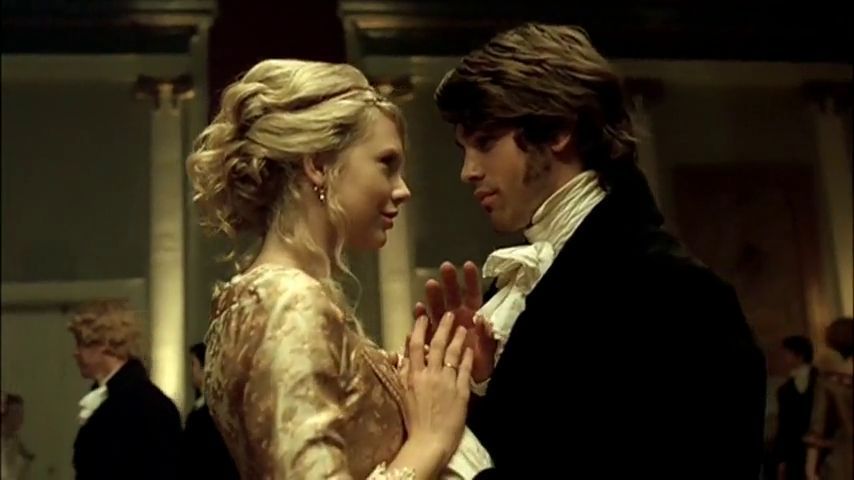
- Narrative - story attached relating to the lyrics of the song (love story narrative in 'Romeo And Juliet' by Taylor Swift)
- Thematic - no clear plot with the use of experimental editing (animation by Arca)

- Symbolic - showing something to represent or convey a message (Rihanna's 'Umbrella' video showed some still shots of herself supposedly altered through editing to represent a figure of Satan
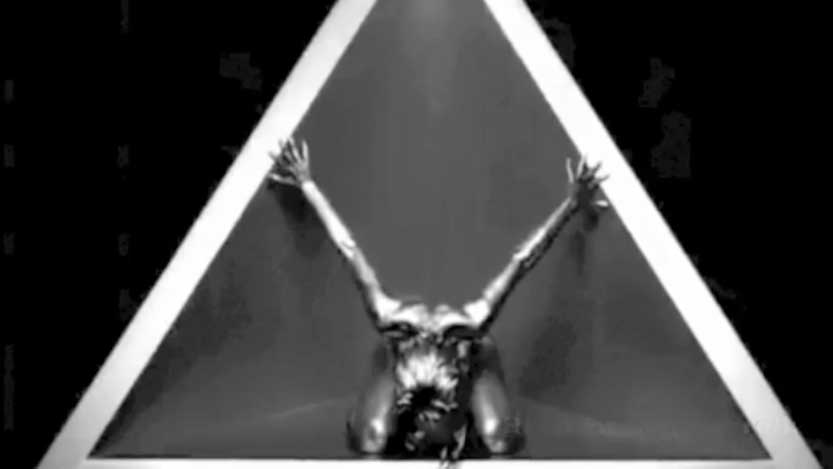
- Visually stylish/artistic
- Rhythmic
_________________________________________________________________________
AUDIENCE RECEPTION
Ultimately a music video is created for the target audience to see and judge upon. Without this demand, there would be no video. The audience is where the profit and popularity comes from. Sometimes, particuarly within loyal fanbases of artists, videos can be eagerly anticipated. An example was Justin Bieber's tweets in 2011 getting his fans hyped for the new 'Boyfriend' music video, along with teasers to keep their interest. Generally videos are recieved well, though can be regarded as controversial. This leads to disagreement and debate, but still generates popularity that the artist aims for.


_________________________________________________________________________

Easier access to music, such as Spotify, takes attention away from the main platforms of music videos; TV and Youtube. Over time, ideas may become too cliche, making it hard for an artist to create something original. In order to sustain popularity, artists may set up a private platform for their videos to gain a profit from. This technology can break down communications between an artist and their fans. Also, censorship is harder what with younger audiences showing interest in content targeted for older audiences. A video may be banned for this reason as most mainstream artists are, sometimes unwillingly, a role model. Aside from the actual music videos, covers and remixes of songs get shared on the internet which may steal people's attention.
POSITIVES
Technological advances make it easy to distribute content to the public. A Youtube link can be quickly posted on an artist's Twitter, available for all of their followers to see. This can reach an international scale if shared enough times. Generally, technology in the sense of production is more advanced than 10 years ago; music videos are being developed in HD, with professional special effects, etc.
_________________________________________________________________________
As the newness of music videos is depleting, the future in my opinion doesn't seem successful. Artists may have to create more and more music videos to promote their music, which would cost millions more.
Or, other techniques could be pursued. For example, Rihanna released her single 'We Found Love' a few weeks before releasing the video. This caused extreme hype and anticipation, both from fans and critics. This gave her time to work on the creativity. Perhaps artists need to spend more time, like Rihanna did, to maximize the potential of their product.
However, fans get bored quickly, particularly with mainstream artists. The product will be getting promoted to less and less people.
Another option could be niche artists being shown more recognition, as they typically produce concept-based videos, whereas mainstream music of today generally revolves around performance. Seeing something different may be what will keep the appreciation of music videos alive, especially as generations change.
_________________________________________________________________________
CONCLUSION
A variety of terms fit into the spectrum of music videos; such as globalization and synergy, which informs that the complexity behind media is more than what the audience think. The different purposes of music videos can potentially be dismissed as the primary goal of products is to earn money. This links to the relationship between fans and artists, whether or not they even exist; as the practical side of music videos show that communication is merely technical. In terms of my own ideas, learning the mainstream conventions has confirmed the notion that I would like to exhibit new and original ideas to challenge these conventions. In our current generation, we break traditions, whereas around the 1400's, artistry such as craft was highly repetitive. For many, the novelty of mainstream music has faded away and it's time for change.

need to put in my case study
ReplyDeleteProficient understanding of music videos and their purpose in the industry.
ReplyDeleteTo improve;
-add more detail in your introduction to show your understanding of music videos more
-throughout the post, generally provide more examples to draw upon to illustrate your understanding
Much more detail and analysis provided here, excellent.
ReplyDelete